Chapter 24: Product compliance
What you'll learn: how to spot dangerous goods (hazmat), what Amazon requires for products with expiry dates, and the basic product safety duties of a UK reseller.
Dangerous goods (hazmat)
Dangerous goods, often called hazmat, are products that could be a risk during storage or transport because they contain something flammable, pressurised, corrosive or otherwise harmful. Many are everyday items: aerosols, perfumes, nail varnish, some cleaning products and anything containing a lithium battery can all fall into this group.
What matters is the specific product, not its type: two similar products can be classified differently. Amazon reviews each product using information such as its safety data sheet (SDS), and decides whether it can be stored in its fulfilment centres.
- Some dangerous goods can't be sent to FBA at all, such as explosives, toxic gases and radioactive materials.
- Others are allowed in limited quantities, and some only for sellers enrolled in Amazon's FBA Dangerous Goods programme.
- Lithium batteries have their own conditions.
The simple approach while you're learning: use ArbiSource's hazmat warning and exclude hazmat results in your filters (Chapter 13). If you do want to sell a product that may be dangerous goods, check its status in Seller Central under Manage dangerous goods classification before you buy.
Read Amazon's guide: Dangerous goods identification guide (hazmat).
Expiry-dated products
Amazon treats any product with a shelf life, or that loses effectiveness over time, as expiry-dated, even if no date is printed on it. That includes:
- food, drinks, pet food, supplements and other consumables;
- skin creams, soaps, shampoos, cosmetics and sunscreen, including anything with a "period after opening" symbol;
- cleaning products, such as wipes, sprays and detergents;
- some outdoor products, such as pest control and lawn care;
- critical safety products with a manufacturing date, such as children's car seats and fire extinguishers.
How much shelf life is needed? When it's checked in at Amazon, a product must have enough shelf life left to be used up in full, plus another 90 days. A supplement with 240 daily servings needs at least 330 days. Amazon also gives guide times for common products:
| Product | Minimum time before expiry on arrival at Amazon |
|---|---|
| Crisps and other snacks | 90 days |
| Dried fruit; cereal and granola bars; pet food and treats | 180 days |
| Drinks such as coffee, tea and juice; flour, spices and baking supplies | 270 days |
| Pasta; jams and preserves | 365 days |
| Sweets; canned food | 540 days |
| Herbal or mineral supplements | 730 days |
| Cleaning supplies; personal care and beauty products | 900 days |
Baby formula needs at least 180 days. This is a guide, not a complete list; check Amazon's page for anything else.
Labelling expiry dates:
- Each unit must show its expiry date in an accepted format: DD-MM-YYYY (preferred), MM-YYYY (read as the first day of that month), or with the month abbreviated, such as DD-MAR-YYYY.
- Ingestible products must show an expiry or manufacturing date; a lot number alone isn't enough.
- Case packs and multipacks need the date on the outer pack and on each item inside.
- If a product needs extra prep, such as a poly bag, put the expiry date label on the outside.
- Don't cover the original date or other product information.
- One expiry date per ASIN in each box: units of the same product with different dates go in separate boxes.
Items that have expired when they arrive are disposed of, and Amazon can't return them. Unsold stock that nears its expiry is made unsellable, so set up automatic removals if you'd like it sent back.
In practice: check the date before you buy, especially on clearance stock, and think about how long your units will take to sell (Chapter 8). A short-dated bargain only works if it sells well before its date.
Read Amazon's guide: Expiry dates on FBA products.
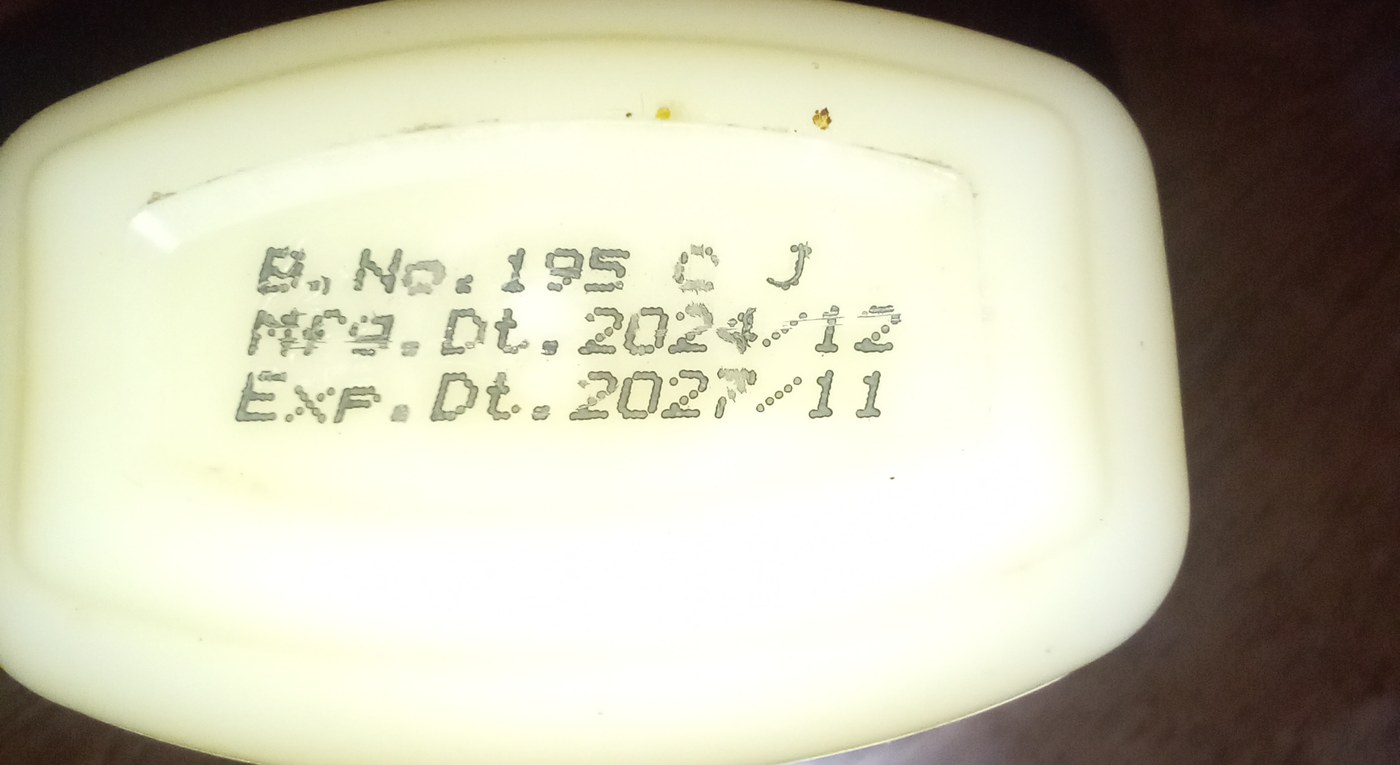
A carton printed with its batch number, manufacture date and expiry date. Photo: Corn cheese, CC BY 4.0, via Wikimedia Commons (cropped).
Product safety basics
UK law requires every consumer product to be safe. When you buy products from UK shops and websites and resell them, you're normally a distributor under the UK General Product Safety Regulations. (If you bring products in from outside the UK, you're likely to be the importer, which carries extra duties; see the A2A EU sourcing page.)
As a distributor, you must act with due care, and not supply products you know, or should have presumed from the information you have, aren't safe. In practice:
- Buy from reputable retailers, and sell products only in their original, unopened packaging, with all the original warnings, instructions and labels.
- Check for recalls. The government publishes product safety alerts, reports and recalls. If a product you hold is recalled, stop selling it.
- Take extra care with products that have their own rules, such as toys, electrical goods and cosmetics. Amazon has guidance for these too, for example on toy safety and low-voltage electrical equipment.
- Act on any safety concern. If a customer reports a safety problem, stop selling the product and look into it.
For more detail, read Amazon's UK General Product Safety Regulations page, the government's product safety advice for businesses, and Business Companion's guide for distributors.
Checklist
- I exclude hazmat results while I'm learning
- I check expiry dates before buying, and allow time to sell
- I know the accepted date formats and the one-date-per-box rule
- I sell products only in their original packaging, with all warnings and instructions
- I know where to check for product recalls